Skin Tags: The Tags Your Skin Can Live Without
Skin Tags: The Tags Your Skin Can Live Without Skin tags are soft, smooth, and typically hang from the skin on a narrow stalk. Skin cancers cells typically have unequal boundaries, color variations, and might ulcerate or expand rapidly. Any type of dubious growth must be inspected by a dermatologist. Maintaining high-friction areas dry is one more preventative step. Under the breasts, in the groin, and under the arms are all common areas for tags to create. Using a gentle powder or moisture-wicking textile can make a distinction. In a couple of situations, red skin tags have actually been connected to skin cancer cells. Yet in those situations, the skin tag was likely misdiagnosed and was actually a different type of mole or lump. A skin doctor can answer any kind of concerns concerning your skin tags Aesthetic Medicine and properly identify them. Taking notice of changes and developments on your skin, including skin tags, is vital to catching skin cancer cells and other problems at an early stage.
- Because skin cancer cells is by far the most common form of the condition, you're wise to watch for changes taking place on your skin, usually the initial indication of problem.
- Do not stress over skin tags if they are small, the same color as your skin, and not altering.
- Nonetheless, they might irritate if they scrub against the skin, precious jewelry, or clothes constantly.
While Not Common, It Is Feasible For Men To Get Utis
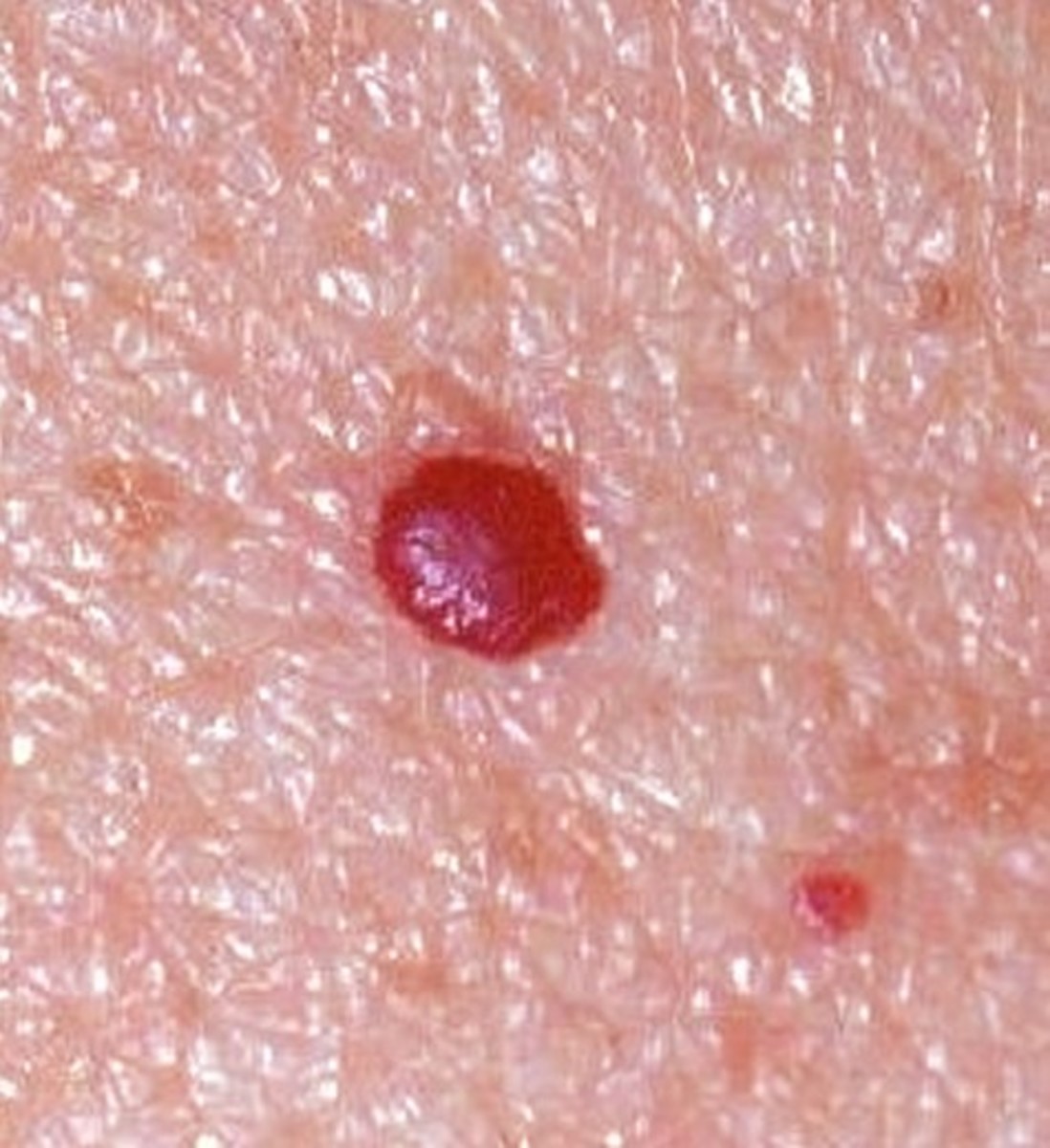
Hormonal changes, particularly while pregnant, can cause quick skin cell development, which may result in skin tags. They can additionally show up throughout menopause or after beginning certain medicines that affect hormonal agent levels. Normally the exact same shade as your skin, skin tags often have a drop form and are connected to your body by a thinner stem. There's no nerve cells in the tag itself, so you will not really feel anything when you touch or squeeze it other than probably tugging against your normal skin. Clinical service providers make use of clean and sterile devices and controlled methods like cold, cauterizing, or trimming. By themselves, skin tags are commonly the same color as your skin. Nevertheless, as they age and twist, skin tags can turn red or black. For the most part, a red skin tag isn't a cause for concern on its own. If that color modification is integrated with pain, swelling, or bleeding, see a physician to have your skin tag got rid of. Skin tags are small, soft, benign developments that frequently show up in areas where skin scrubs against skin or clothing-- like the neck, underarms, eyelids, groin, or under the busts.What does a cancerous skin tag feel like?
Skin Tags: These developments commonly have a smooth and soft structure. Skin Cancer Cells Development: Skin cancer lesions may show uneven boundaries, crookedness, and a changing texture, which can consist of locations that really feel harsh or scaly.
Exactly How Will My Doctor Eliminate The Skin Tag?
The procedure often tends to trigger a brief stinging or burning sensation. You can expect the skin tag to diminish in around 10 to 2 week. Clinically speaking, most skin tags do not require to be gotten rid of. People with several skin tags are statistically most likely to have insulin resistance. This does not indicate skin tags create diabetic issues, but they can in some cases be a noticeable hint. The tags aren't unsafe and are simply extra cells that collect on top of the smooth surface of your skin, attached by a stalk. Skin tags can likewise make you feel uncomfortable, particularly if they are on a visible part of the face or body. And caring for your skin's wellness implies taking notice of any new developments, including skin tags. Understanding when to see a skin doctor can assist ease any stress and anxiety that originates from having a new skin tag. These developments can show up on any kind of component of your body, but they're most likely to create in locations where Click here for info skin scrubs versus skin, producing friction.